
Insights from a Digital in Volunteering Toolkit launch event
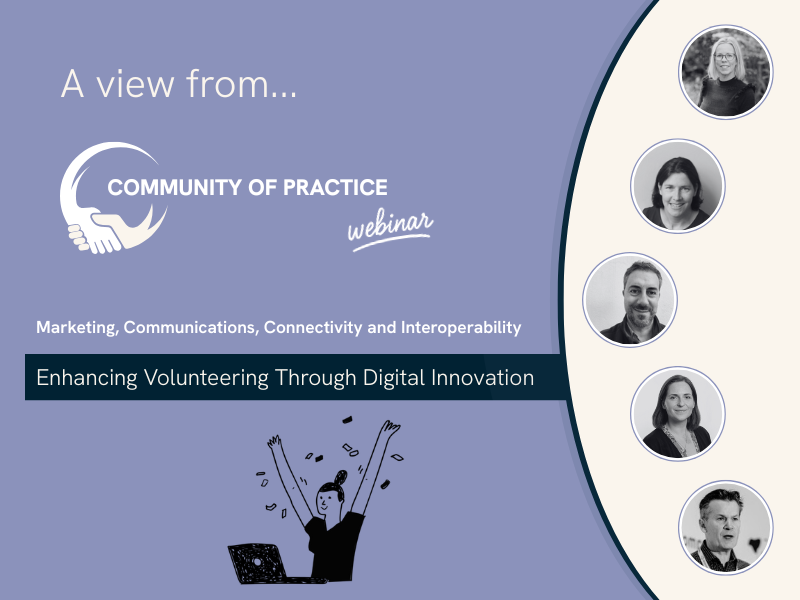
On June 26, Gethyn Williams, TeamKinetic, and I were pleased to be able to launch the 2nd part of the Digital in Volunteering Toolkit, by hosting a session with key experts. The event focused on the two key themes of this release: marketing and communication strategies, and connectivity and
interoperability of volunteer platforms.

Real-World Examples
In the first half we heard from two case studies on raising awareness and volunteer recruitment.
Insights from Volunteer’s Week
Nicola Gower, a freelance communications consultant who has led on Volunteer’s Week over the
past couple of years, shared her expertise on using digital marketing.
Key takeaways included:
- Participating in campaigns: Using opportunities such as Volunteers’ Week or Small Charities week is a great opportunity to make an impact with your own material and messages. It’s a good idea to use online calendars to support this. Tools like polls, podcasts, and community forums can build on this engagement.
- Online Presence: Organisations should actively post on social media, and use relevant hashtags to extend reach. Nicola recommended concentrating on one platform rather than trying to cover them all, preferably by identifying where the audience you want to engage is most active and focusing resources on this channel.
- Collaboration: Nicola recommended connecting with others through groups such as AVM and Marketing Meetups to learn and shared. She also suggested exploring free Google advertising grants to boost visibility.
Using Research to Redesign
Jess Young from Volunteer Centre Greenwich (VCG) then presented a case study on being part of a
project run by Deloitte digital connect programme which focussed on user-centred design to re-engineer systems and processes. Through this project, and despite initial team scepticism VCG was
able to transform its volunteer recruitment process, by focusing on community feedback and experimenting with ideas.
Jess outlined the 3 phases: Discovery, Define, and Develop, each of which lasted approximately two months.
- The Discovery phase focuses on understanding user-centred design,
- Define involved using tools to analyse data,
- Develop emphasised playfulness and listening to users.
The success of this approach demonstrated the power of non-digital solutions supported by digital tools. Jess highlighted the importance of working in the open, sharing learnings, and collaborating across the sector. She emphasised that regular playbacks and the support of a community of practice were crucial.
The Panel Discussion
The second part of the session was a panel discussion which explored the challenges and opportunities in connecting volunteer platforms to create a seamless experience for volunteers and organisations.
Chaired by Gethyn Williams, the panellists were Chris Martin from TeamKinetic, George Grima from DoIt, Rebecca Mear from Voscur, and Joe Saxton from nfpResearch.
The Case for Connectivity
The benefits of connectivity are that it provides volunteers with a central place to find opportunities and allows organisations to efficiently share their listings. While a single national platform for volunteering remains challenging, connectivity between existing platforms through API integration can simplify the volunteer journey.
Open Data Standards
It was agreed that as interoperability evolves with open data and pre-established rules, the process of connecting platforms could become significantly easier. Collaboration between DCMS and the Open Data Institute (ODI) is paving the way for open data standards in the volunteering sector, potentially revolutionising convenience and user experience.
Balancing National and Local Efforts
Panellists emphasised the importance of ensuring that national platforms complement local infrastructure organisations, amplifying their efforts rather than undermining them. It was agreed that an open volunteering ecosystem where different platforms can connect and share data, focusing on common requirements would allow tailoring to specific demographics while ensuring interoperability There was a call for a collaborative effort to create this connectivity while ensuring data privacy and addressing gaps in the volunteering ecosystem.
In Summary..
This was a fascinating event which ultimately emphasised that while digital tools are powerful, they are just that – tools which are valuable as enablers when aligned to non-digital solutions. This is particularly the case when listening deeply to your audiences’ needs and co-producing solutions with them. As the sector continues to evolve, collaboration and community will remain at the heart of driving meaningful change.
On this note, participants were encouraged to join the Digital in Volunteering Toolkit’s community of practice. Together, we can build a more connected and impactful ecosystem for volunteers and organisations alike and influence agendas like open data and share experiences.
Voluntech will be hosting further deep dives into toolkit elements, such as one on rewards and recognition, where we shall explore the role of digital tools in enhancing volunteer engagement. Hope to see you there.
Ruth
Take a look back at this event here.
You must be logged in to see past session content. If you’re not a member, don’t worry! It’s completely free to join.